
Primary Source Analysis - Template
Use this template for any historical source you study to build a consistent framework for comparison, interpretation, and research.

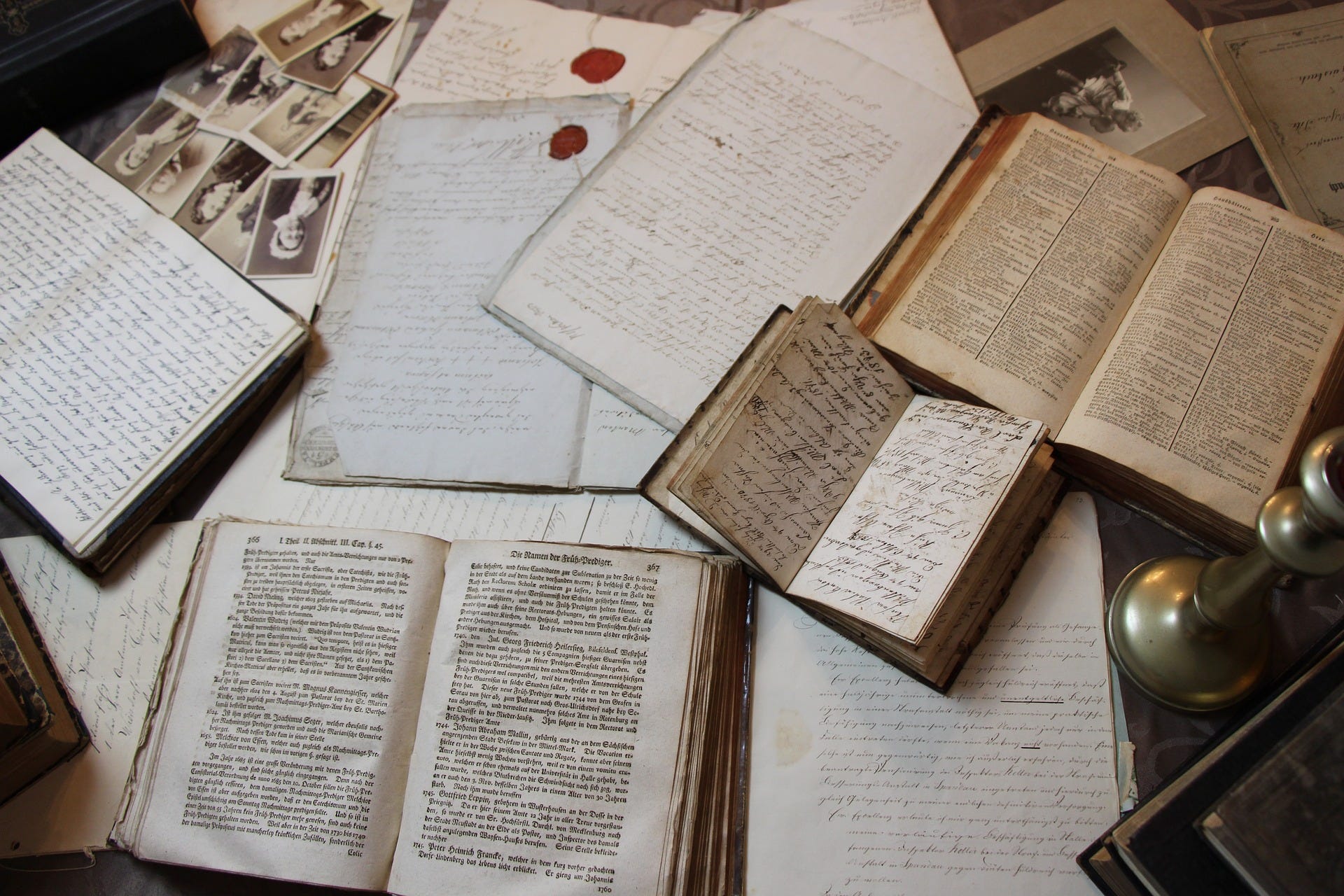
When you analyse a historical source, it helps to approach it systematically. Every text, image, or object reflects the ideas, assumptions, and beliefs of its time. Paying attention to these details allows you to understand not just what the source says, but why it says it and how it fits into broader social, cultural, or scientific contexts.
This template is designed to guide you through that process. You need to establish what your source is, when and why it was produced, by whom, and what form it takes – as well as the basic content, the central message and perhaps the structure of the source – to give you a platform for the following commentary. By noting key information, context, and your own reflections, you can build a consistent framework for interpreting sources and connecting them to your research questions. Use it for each source you study to make comparisons and draw insights more effectively.
This template is built with primary sources in mind - meaning, immediate, first-hand accounts of a topic, from people who had a direct connection with it.
(This includes texts of laws and other original documents, newspaper reports, by reporters who witnessed an event or who quote people who did, speeches, diaries, letters and interviews - what the people involved said or wrote etc.)
Before you read…
When you begin analysing a source, it is always worth noting down these four points before you dive into the text itself:
